
Post-Discharge Follow-Up Software: What to Look for Before You Buy
Hospital discharge is not the end of a patient's care journey. It is the point at which responsibility shifts from a hospital team to patients, caregivers, and, often, another set of healthcare providers. Without clear instructions and timely follow-up, this transition can leave important gaps in care.
A patient may leave with a new medication schedule but remain unsure about dosage. A follow-up appointment may be recommended but never booked. A warning sign may develop at home without the patient knowing whom to contact. These are practical challenges that healthcare organisations must address beyond the hospital stay.
Post-discharge follow-up software helps hospitals coordinate this next stage through scheduled check-ins, patient communication, reminders and escalation workflows.
However, choosing the right platform requires more than comparing features. Hospitals need to assess whether the software fits their clinical workflows, supports patient needs and gives care teams meaningful visibility into what happens after discharge.
The following considerations can help healthcare leaders evaluate their options before investing.

1. Start With the Problems You Need to Solve
Before comparing post-discharge follow-up software, identify where the current process breaks down. Some hospitals rely on manual phone calls and spreadsheets, while others use their electronic health record (EHR) system alongside separate messaging tools. Both approaches can create difficulties when responsibilities are unclear or patient responses are not consistently documented.
For example, a care coordinator may call a patient two days after discharge but discover that the patient has not collected a prescribed medicine. If this information remains in a personal notebook rather than a shared system, the next team member may not know that action is required.
Map the existing process from discharge to follow-up completion. Identify missed calls, delayed responses, appointment gaps, medication-related questions and difficulties reaching patients. This assessment helps establish which capabilities are essential and which would simply add complexity.
It also provides a baseline for measuring whether the new software improves follow-up completion, response times and the handling of unresolved concerns.
2. Look for Structured, Automated Follow-Up Workflows
A useful post-discharge follow-up system should help teams plan and manage contact according to each patient's needs. It should support configurable schedules rather than depend on staff remembering every callback.
Depending on the care pathway, workflows may include:
- A follow-up message or call within an appropriate period after discharge.
- Reminders for consultations, tests and medication instructions.
- Check-ins about symptoms, recovery progress or difficulties following the care plan.
- Notifications when a patient reports a concern or does not respond.
- Closure of follow-up tasks after the required action has been completed.
Consider a patient recovering from knee replacement surgery. The hospital may schedule a check-in to ask about pain management, mobility and the planned review appointment. If the patient reports increasing pain, the system should route the response to the designated clinical team instead of treating it as an ordinary completed interaction.
Automation should reduce administrative effort without replacing clinical judgement. Hospitals must be able to define when staff intervention is required, who receives an alert and how the outcome is recorded.

3. Prioritise Patient-Friendly Communication
Post-discharge follow-up software is only effective when patients can understand and respond to it. Hospitals serve people with different levels of digital literacy, language preferences, disabilities and access to technology. A platform that works well for one patient group may create barriers for another.
Look for support across appropriate communication channels, including SMS, telephone calls, messaging platforms and patient portals. Where relevant, check whether the system supports local languages and allows patients to communicate through a caregiver, with appropriate authorisation.
Messages should be clear, brief and specific. Instead of sending a generic reminder to monitor recovery, a system might remind a patient to attend a scheduled review and provide the hospital's approved instructions for contacting the care team.
The Agency for Healthcare Research and Quality (AHRQ) recommends involving patients and families in discharge planning, reviewing medications, explaining warning signs and arranging follow-up appointments. Software should reinforce these practices rather than simply automate message delivery.
4. Check Integration With Existing Hospital Systems
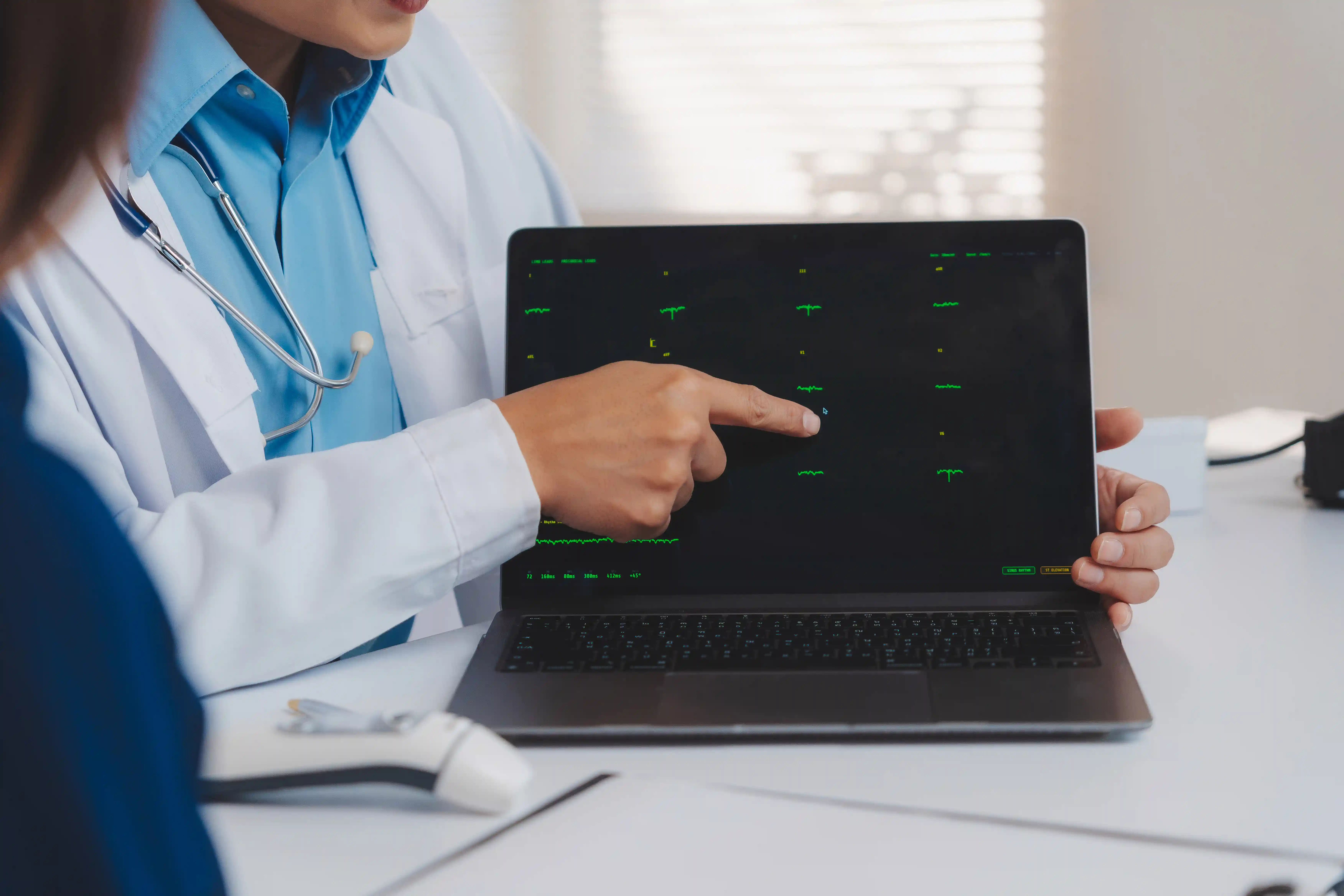
A post-discharge follow-up platform should fit into the hospital's existing technology environment. If staff must manually transfer patient details, discharge instructions and appointment information between systems, the new software may introduce another administrative burden.
Assess whether the platform can integrate with your EHR or hospital information system, appointment scheduling tools and other relevant clinical applications. Ask how it retrieves discharge dates, identifies the correct patient, updates contact details and records follow-up outcomes.
Interoperability standards such as HL7 FHIR can support structured exchange of healthcare information between applications, although actual compatibility depends on the systems, interfaces, and implementation.
During a product demonstration, ask the vendor to show a complete workflow: a patient is discharged, a follow-up task is created, the patient responds, and the care team records the outcome. This reveals integration gaps more clearly than a feature list.
5. Evaluate Data Security and Access Controls
Post-discharge follow-up involves sensitive information, including diagnoses, medication details, symptoms, contact information and patient responses. Security must therefore be a core purchasing criterion, not a feature to review after implementation.
Ask vendors about:
- Role-based access controls that limit information to authorised staff.
- Encryption of data during transmission and storage.
- Audit logs showing who accessed or changed patient information.
- Data retention, deletion, backup and recovery procedures.
- Consent management, communication preferences and processes for handling privacy requests.
- Incident response arrangements, hosting locations and third-party data access.
Hospitals in India should also assess applicable requirements under the Digital Personal Data Protection Act, 2023, its rules and other relevant healthcare obligations, based on their roles and the provisions in force. International organisations may need to consider additional jurisdiction-specific requirements.
Do not rely solely on a vendor's statement that its software is secure or compliant. Request supporting documentation, review contractual responsibilities and involve the hospital's IT, information security and legal teams before procurement.
6. Choose Reporting That Supports Action
Post-discharge follow-up software should help hospitals understand whether patients are being reached and whether outstanding concerns receive appropriate attention.
Useful reports may include follow-up completion rates, unsuccessful contact attempts, patient response rates, pending tasks, escalation turnaround times and reasons for missed appointments. Reports should allow authorised users to filter results by department, discharge date, care pathway or other relevant categories.
For instance, if a hospital finds that patients discharged over weekends are less likely to receive timely follow-up, the data can help managers review staffing arrangements or adjust workflows. If medication-related concerns frequently appear in responses, clinical leaders can investigate whether discharge education needs improvement.
However, reporting should distinguish between activity and outcomes. Sending 500 reminders does not establish that 500 patients understood their instructions or received the support they needed.
The Centers for Medicare & Medicaid Services (CMS) links hospital readmission measures to quality and payment in the United States. While such measures are not universally applicable, they illustrate why hospitals should assess follow-up performance alongside relevant clinical outcomes.

7. Assess Usability, Scalability and Total Cost
Even capable software can fail if clinical teams find it difficult to use. During a trial, involve nurses, care coordinators, discharge planners, IT staff and relevant clinicians. Ask them to complete everyday tasks, such as reviewing pending follow-ups, documenting a patient response and escalating a concern.
Evaluate training requirements, vendor support, configuration options and the ability to manage growing discharge volumes. Also assess the full cost of ownership, including implementation, integrations, licensing, messaging charges, training, maintenance and future upgrades.
Before committing, run a pilot with a defined patient group and agreed success measures. Compare results against the existing process, and document any workflow changes needed before wider deployment.
Choosing Software That Supports Better Care Transitions
Choosing post-discharge follow-up software requires a clear understanding of how patients move from hospital care to recovery at home. The right platform should help teams coordinate follow-ups, communicate with patients, identify unresolved concerns and maintain reliable records without adding unnecessary administrative work.
Before you buy, assess workflow automation, patient accessibility, system integration, data security, reporting, usability and total cost. Most importantly, test how the software handles realistic situations, including an unanswered call, a missed appointment or a patient reporting a new concern.
The objective is not simply to automate follow-up. It is to make the next step in a patient's care more visible, coordinated and accountable.
See how CareMonk keeps in touch after discharge.
A short walkthrough of how WhatsApp follow-ups, escalation and closure reports would work for your hospital.